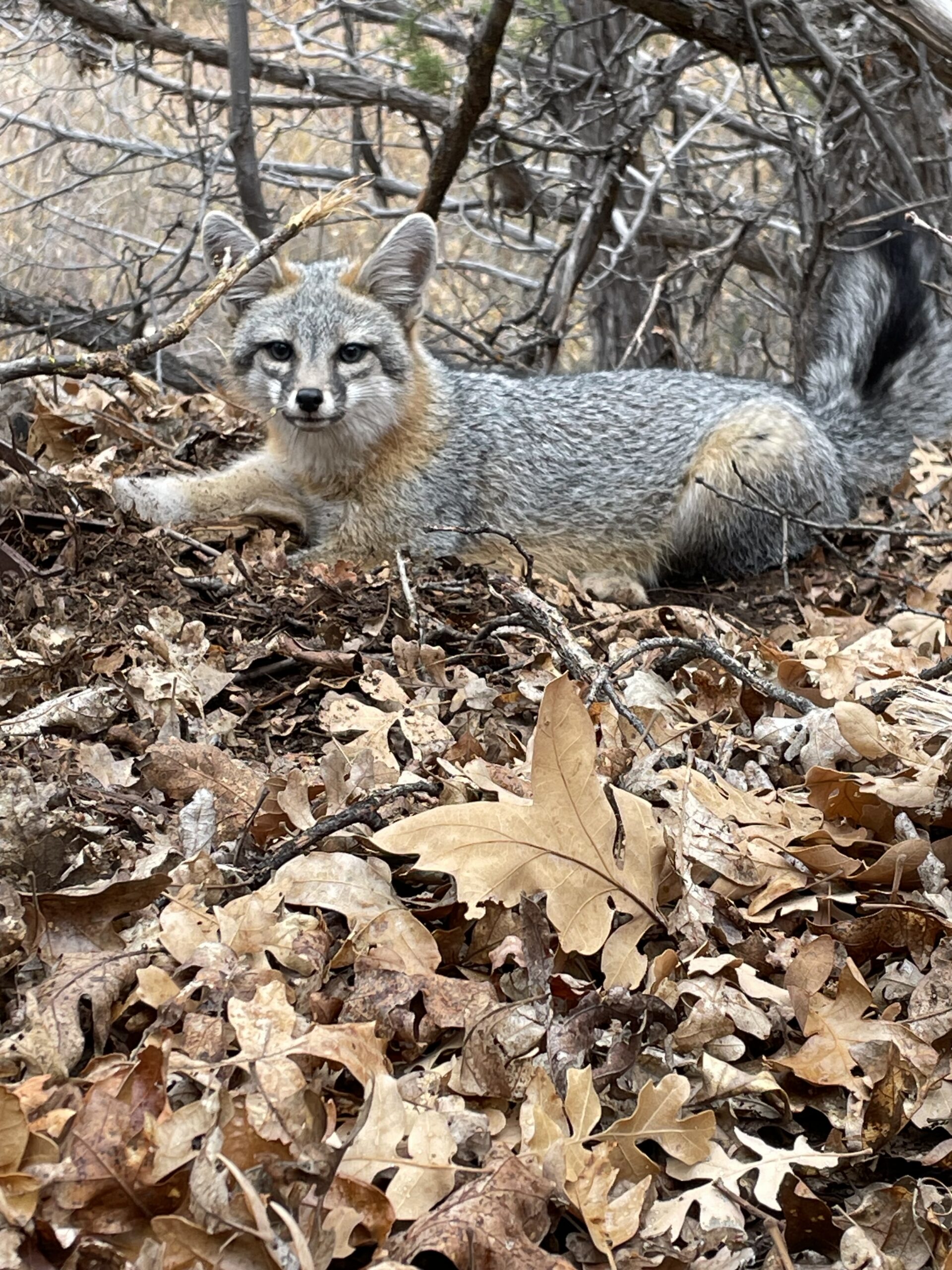
Gray fox trapping BMP recommendations are worth paying attention to if you want to hold fox clean and avoid using more trap than you need. A lot of gray fox still get caught in oversized traps built for coyotes, but smaller traps with better jaw design, good swiveling, and shorter chains usually make more sense.
A lot of gray fox get caught in traps that are bigger and harsher than they need to be.
That is usually not because the trapper is trying to do anything wrong. It is because many of us are using what we already own, and a lot of fox end up in gear that was really bought for coyotes. But if you are setting specifically for gray fox, or even adding a few traps to your line with gray fox in mind, it pays to think smaller and smarter.
That is where the Best Management Practices, or BMPs, come in.
The BMP program evaluated traps for different furbearers and identified equipment that was considered humane, safe, selective, efficient, and practical. Gray fox made that list, and the recommendations are worth paying attention to.
Gray Fox Trapping BMP Recommendations
The gray fox trapping BMP points trappers toward smaller, smoother traps that hold well without using more hardware than necessary: padded jaws, double jaws, and offset laminated jaws. What you do not see on that preferred list is the plain, stamped straight-jaw trap design that a lot of us grew up using. The reason is simple: a wider, smoother holding surface is less likely to cut into a gray fox foot or leg.
Today, there are more cast-jaw traps on the market than there were when those early evaluations were done. That matters. Smooth cast jaws with rounded edges and an offset design give you a better holding surface and allow some circulation below the jaws when the trap is closed.
Why trap size matters on gray fox
Gray fox do not need a giant trap.
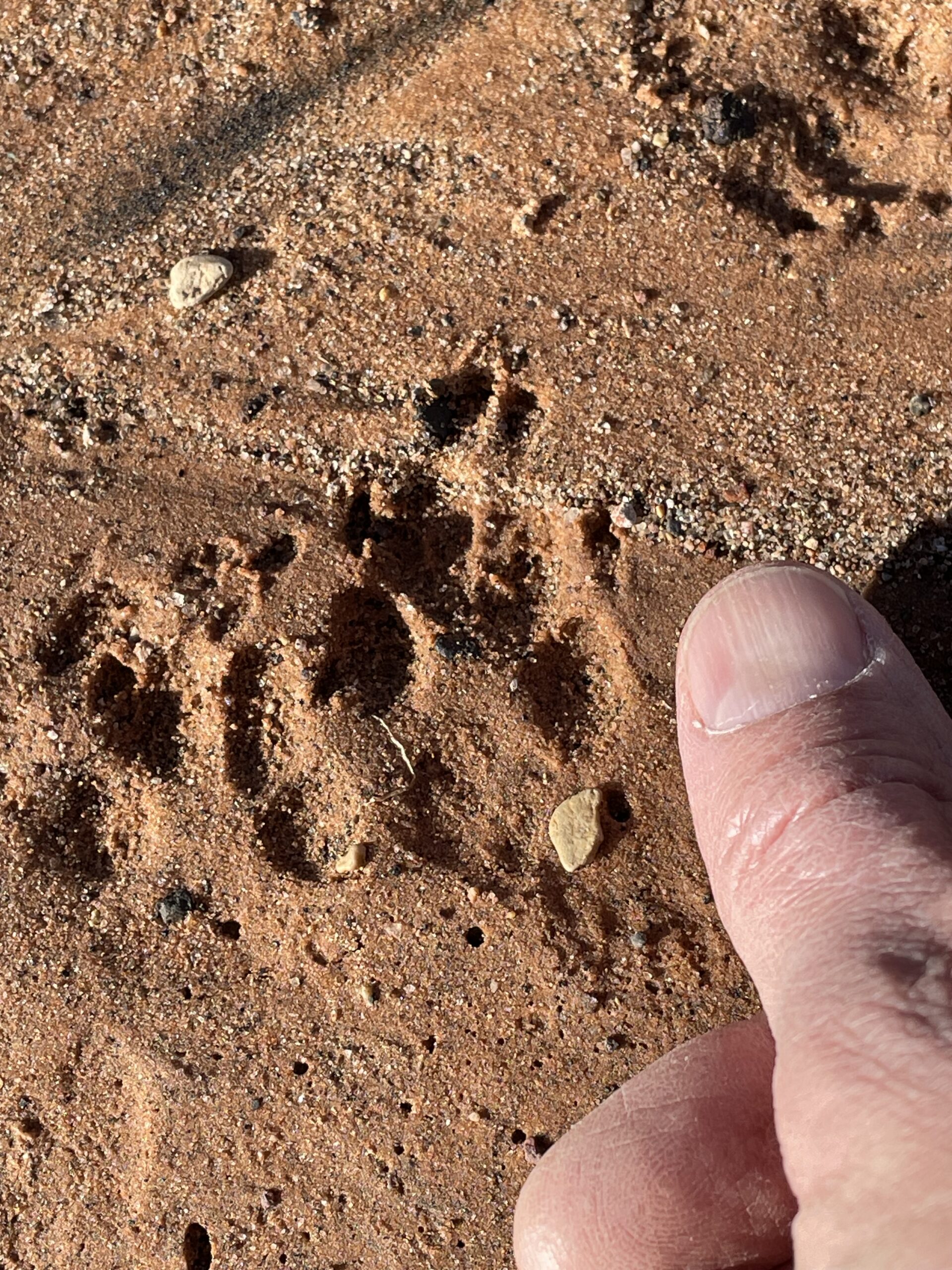
The BMP encourages smaller traps such as the No. 1, 1 1/2, 1.65, 1.75, and No. 2, with the goal of keeping jaw spread at five inches or less so you avoid catches high on the leg bone. The ideal catch is across the pad of the foot, where the fox is toughest and least likely to be injured.
That is where trap choice starts separating itself.
A lot of trappers still use No. 3s and four-coil traps because that is what they own for coyotes. But for gray fox, that is often more trap than you need.
Two coils, good swivels, shorter chain
The BMP logic does not stop at jaw style and trap size.
It also makes sense to keep gray fox gear lighter and more forgiving. Two-coil traps are preferred over four-coil models because they put less pressure on the foot or leg. The trap should also have plenty of swiveling so a fox cannot get wrapped up and held rigid. And ideally, chain length should stay at nine inches or less to reduce hard lunges that can lead to shoulder injury.
That short-chain, plenty-of-swivel setup is one reason older traps often performed better than people give them credit for. The author notes that even with older No. 2 traps, regular checks, solid staking, good swiveling, and short chains went a long way toward humane catches.
The trap I like for gray fox
A lot of gray fox end up caught incidentally in bobcat traps, and there is nothing unusual about that. The author says he catches plenty of gray fox in the MB 550, which is comparable to a No. 2, and has had no visible leg damage using offset cast-jaw traps and regular checks.
Still, his favorite dedicated gray fox trap is the MB 450.
Why? Because it keeps the same humane features but scales things down a little. The MB 450 has an inside jaw spread of 4 3/8 inches, cast offset jaws, two coils, and enough jaw spread to give the fox a good target while still favoring paw catches. He also likes extra swivels and adds an inline shock spring when running a longer chain.
What about the traps most of us already own?
This is where the conversation gets real.
Not everybody can afford to replace a pile of working traps just because newer options exist. If a man has a truck bed full of No. 3 long-springs or four-coils, that is a real investment. The article does not ignore that. It simply argues that when you do buy new traps for gray fox, or when you start updating your line a little at a time, it makes sense to choose gear that is easier on the fox and better for the reputation of trappers as a whole.
That is hard to argue with.
The smart set for gray fox
If you boil all of this down, the best gray fox trap is one that:
- has a smaller jaw spread
- uses a smoother, wider jaw surface
- has offset jaws
- is built as a two-coil
- has good swiveling
- avoids long, hard lunges
In other words, you are not trying to overpower a gray fox. You are trying to hold it right.
That is the difference.
Final thought
If you are setting specifically for gray fox, the gray fox trapping BMP is a good place to start when choosing traps and building a more fox-friendly setup. Gray fox do not need oversized hardware. They need a trap that fits the animal.
That does not mean every old trap is bad and every new trap is magic. It means trap choice matters, and if you are setting specifically for gray fox, the BMP recommendations are worth taking seriously. Smaller, smoother, better-swiveled traps are easier on the fox and better for all of us.