Wildlife agency cites disease, habitat loss, and predator pressure as contributing factors behind emergency closure.
A stealthy woodland predator with tree-climbing skills and a secretive nature is vanishing from Illinois forests. In July 2025, the Illinois Department of Natural Resources (IDNR) announced the emergency closure of the gray fox hunting and trapping season, following years of documented population decline.
Although sightings have always been rare, new data reveals a troubling trend: the gray fox (Urocyon cinereoargenteus) may be quietly disappearing from large parts of its historical range. The decision to close the season is part of a broader effort to conserve this native species before it reaches a point of no return.
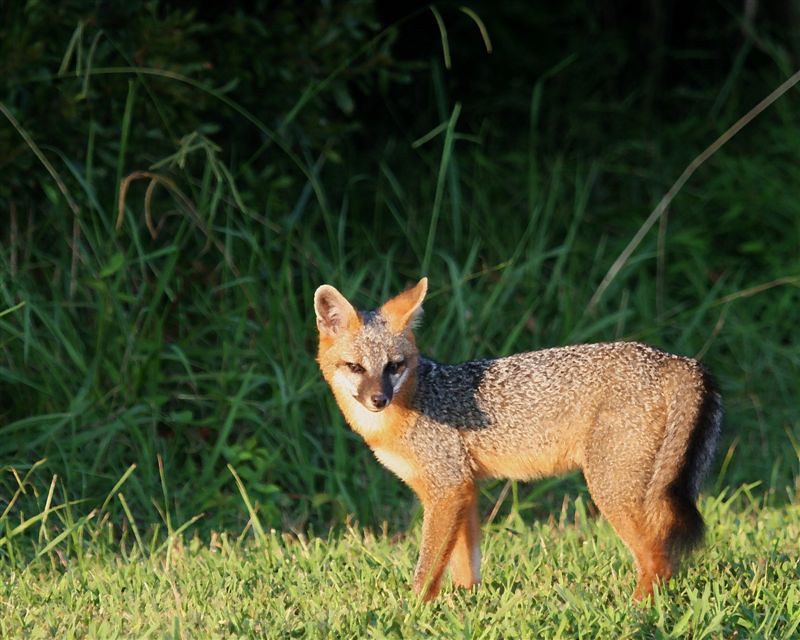
Gray Fox Sightings Plummet Across Illinois
From 2022 to 2025, researchers at Southern Illinois University-Carbondale (SIU-C) conducted a multi-county camera trap survey in southern Illinois. With more than 200,000 trail camera photos collected, fewer than 0.09% included gray foxes—a dramatic decline compared to a similar study from 2008–2010.
That data is supported by trapper harvest reports, which show annual gray fox take has dropped from hundreds in the 1980s to fewer than 30 animals per year in recent seasons. Trapper observation logs, landowner interviews, and hunter surveys also show sharp declines in sightings statewide, particularly in central and northern Illinois.
“We used to catch them regularly,” one longtime trapper said. “Now, you can run a whole line and not see a track.”
Canine Distemper Confirmed in Illinois Gray Foxes
Lab testing of gray fox carcasses has confirmed the presence of canine distemper virus (CDV), a contagious disease that attacks the immune and nervous systems of wild canids, raccoons, and skunks.
Veterinarians and wildlife rehabilitators across Illinois have noted an increase in distemper cases since the mid-2010s. Mild winters may worsen the problem by allowing the virus to persist longer in the environment. Infected animals often display disorientation, tremors, or respiratory distress before death.
Coyotes Add Pressure
Distemper isn’t acting alone. Coyotes, which have expanded aggressively throughout Illinois over the last half-century, frequently kill gray and red foxes in territorial disputes. Red foxes have responded by moving into agricultural and suburban edges. Gray foxes, however, remain tied to dense forest and brush habitats, where they face direct conflict with coyotes.
Emergency Season Closure Becomes Law
On June 30, 2025, Governor JB Pritzker signed Public Act 104-0019, which gives IDNR authority to suspend the gray fox season based on scientific evidence. Just days later, on July 9, IDNR filed emergency administrative rules to close the season statewide.
This is the first time in decades that gray fox harvest will not be allowed during Illinois’ fall and winter trapping season.
“We want to allow the population to stabilize while we gather more information,” said Stan McTaggart, IDNR’s furbearer program manager. “Our goal is not permanent closure but responsible stewardship.”
The closure applies to both hunting and trapping and will remain in effect until new population data suggests recovery.
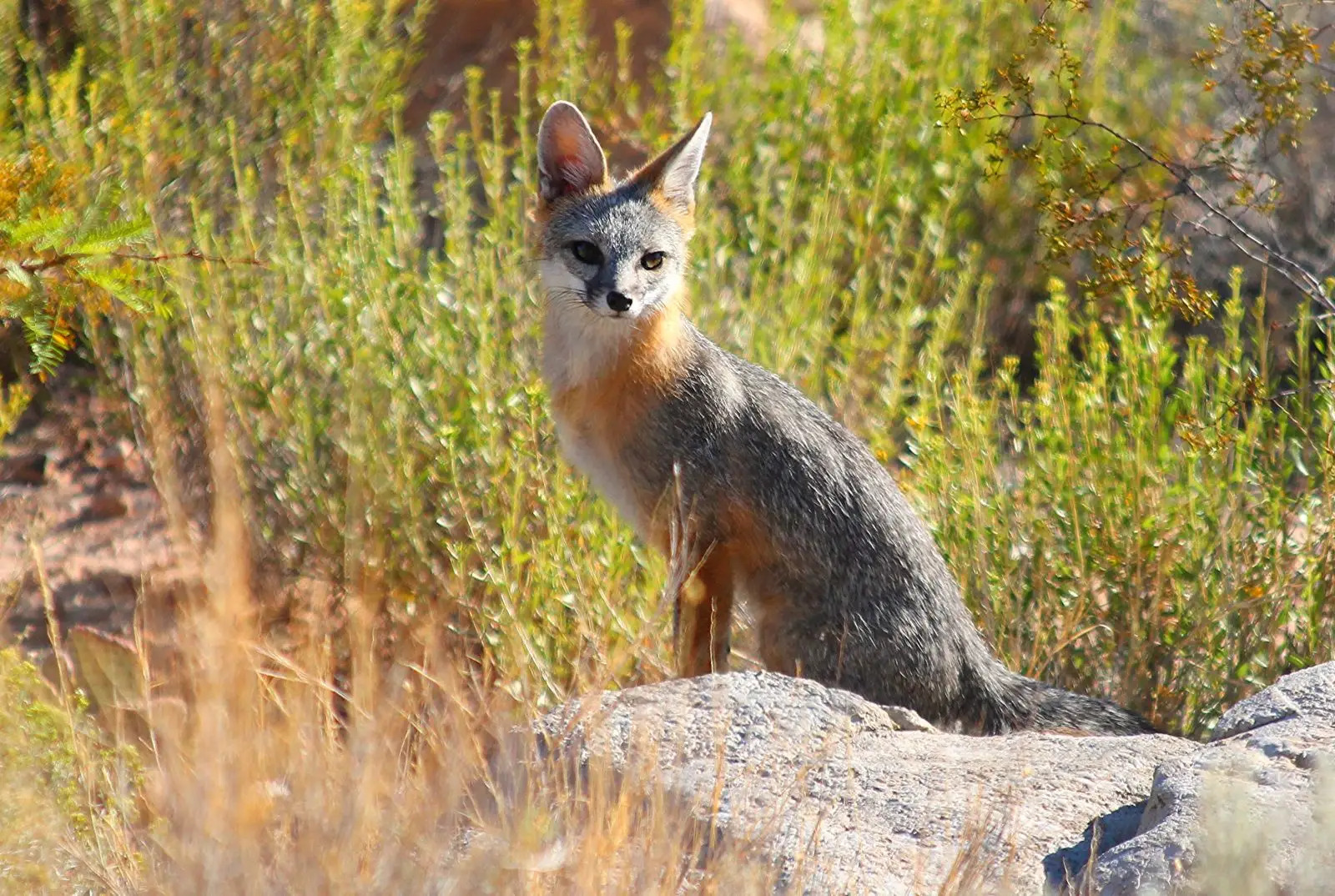
Next Steps: Monitoring, Research, and Public Reporting
SIU-Carbondale and IDNR are continuing long-term population monitoring through 2026. This includes:
- Camera surveys in southern Illinois woodlands
- Distemper testing of recovered carcasses
- Possible GPS collaring of surviving gray foxes
- Mapping of viable habitat corridors
Biologists hope to identify gray fox strongholds and determine whether targeted habitat restoration—especially along forest edges and streams—can support recovery.