Guide sticking trapping is one of the most overlooked skills on the trapline. When done right, subtle guides quietly direct animals into position without making a set look unnatural.
When I come across another trapper’s set on public land, I can often tell right away how experienced that person is.
You don’t have to see the traps.
Just look at the guide sticks.
Over the years I’ve seen everything from subtle natural guiding to full fences made from lumber, wire mesh, or even snow fencing. Those elaborate barriers can work, but guide sticking is really an art. And like most things in trapping, less usually works better.
Subtle guiding is easier, more natural, and often more effective.
Start With the Most Important Rule: Trap Placement
Before you even think about guide sticks, you have to get the trap placement right.
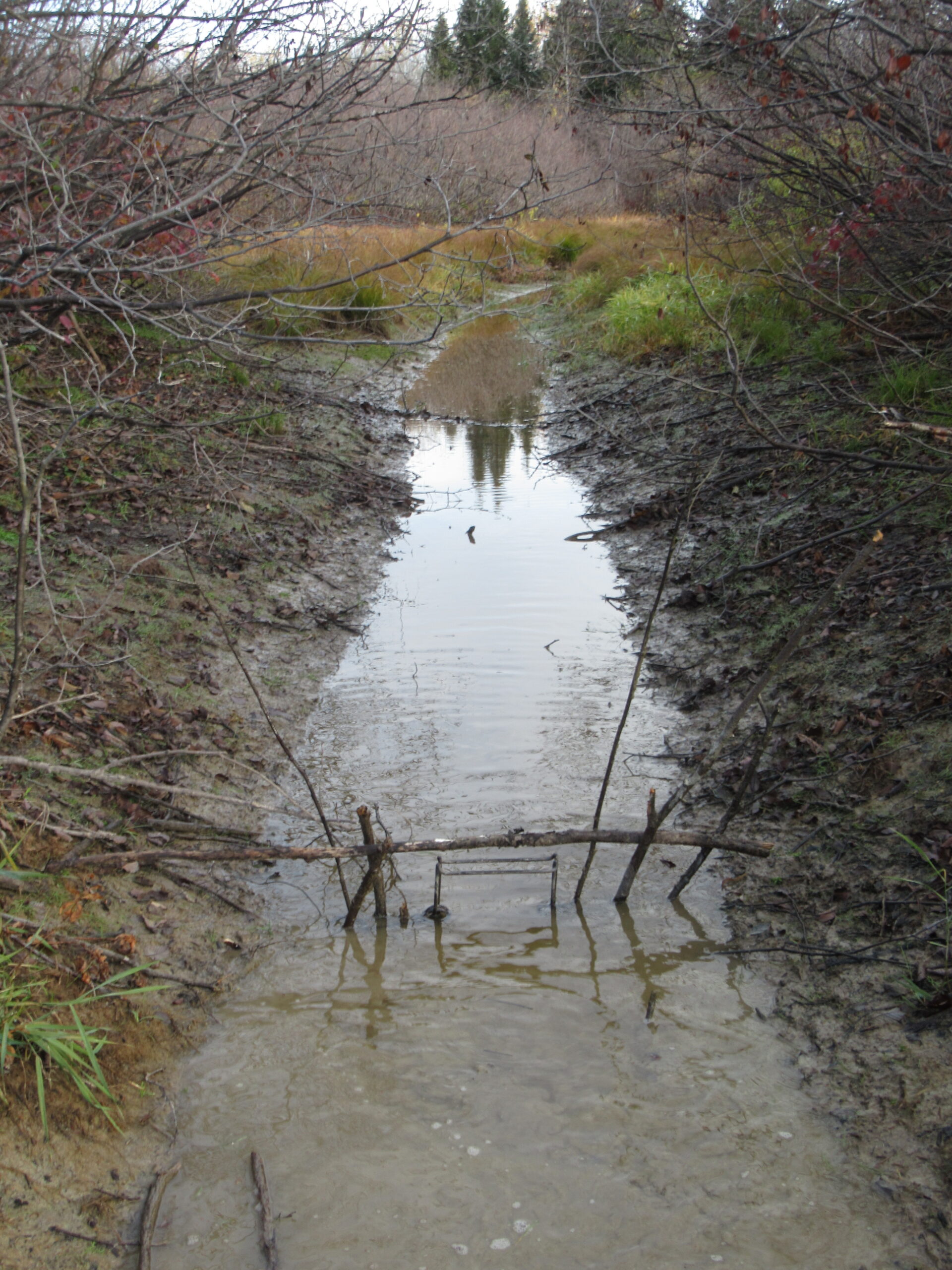
The trap needs to sit dead center in the trail.
If a trail is 12 inches wide and your body-grip is 10 inches wide, center it perfectly. Being even an inch or two off can dramatically reduce your success rate.
When I teach coyote and fox snaring courses, I demonstrate how a snare cable placed just one inch off center can increase misses by around 10 percent. Move it three inches off and your odds drop dramatically.
If I see tracks passing through a snare without a catch, the first thing I check is alignment.
Not the guide sticks.
The snare.
Centering is so important that many animals are caught on crossing logs with no guide sticks at all. The snare itself becomes the guide.
Think Horizontal, Not Vertical
Branches fall across trails naturally all the time. Animals encounter them every day.
But vertical sticks standing like fence posts often look unnatural.
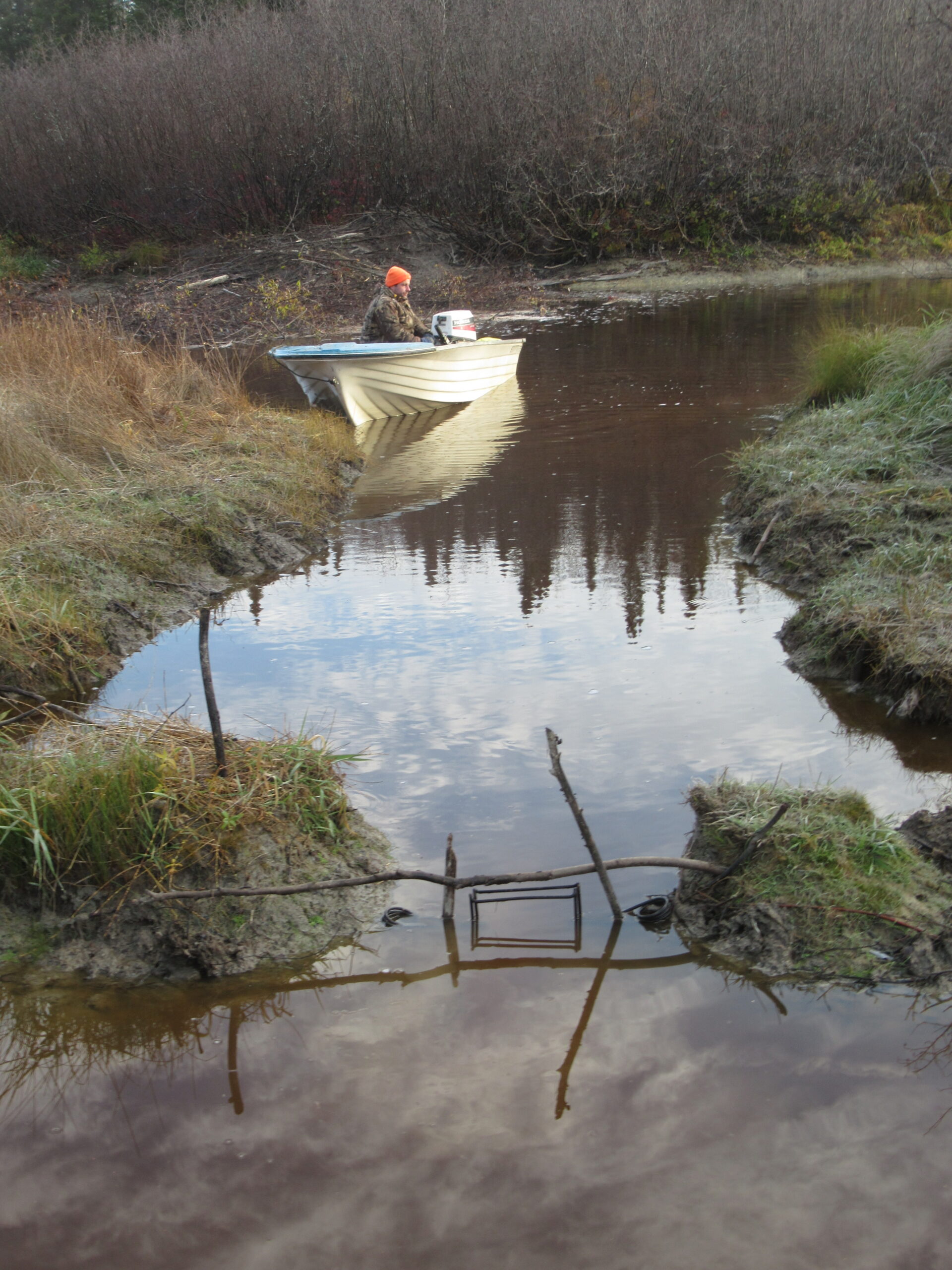
When setting on beaver dams, for example, the entire structure is built from horizontal sticks. Yet many trappers place tall vertical poles beside their traps.
Horizontal sticks block space more naturally and blend into the environment better.
The same principle applies on land trails. A single fallen limb placed at an angle can quietly shift travel toward your trap. Add a few small twigs and you’ve created effective guiding without building a fence.
Smaller Guides Near the Trap
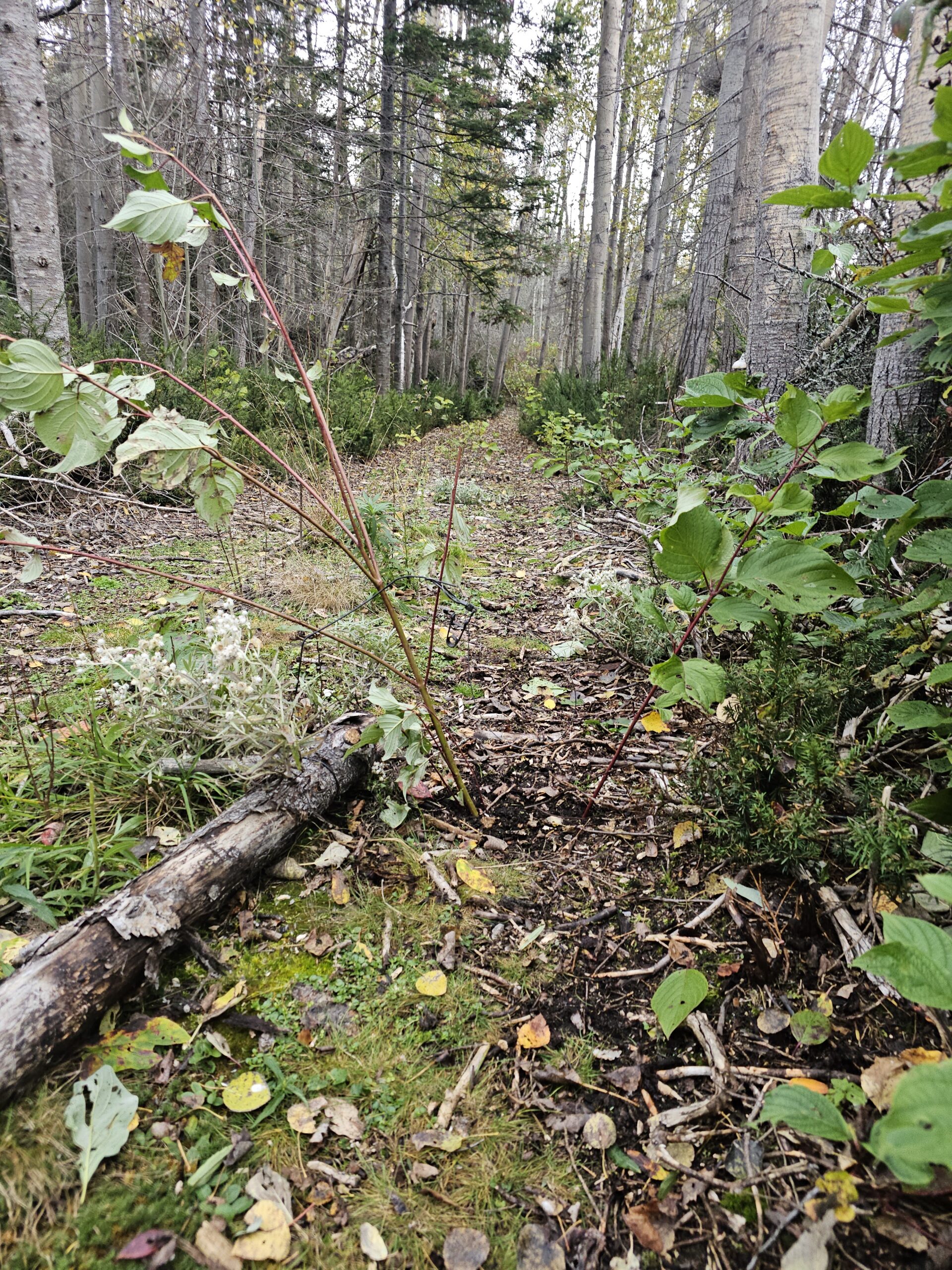
Large limbs can help shape movement farther from the set.
But the closer you get to the trap, the smaller and more subtle the guides should become.
Small twigs firmly placed in the ground are often enough.
The key word here is firm.
If wind moves a guide stick and it falls over, it can create a new opening beside the trap — exactly where you don’t want the animal stepping.
Let the Trap Do the Guiding
A properly set body-grip trap naturally creates an opening that animals want to move through.
That opening can act as a guide all by itself.
For water sets, I often place the trigger in a T-shape along the bottom jaw. If the trap is half submerged, I keep the trigger under water so the top half of the trap stays open and inviting.
With snares, I don’t try to hide the cable. The loop itself guides the animal’s head.
In open trails or snowy conditions where snares are more visible, I often increase the loop size slightly to make the opening more inviting.
Use What Nature Already Provides
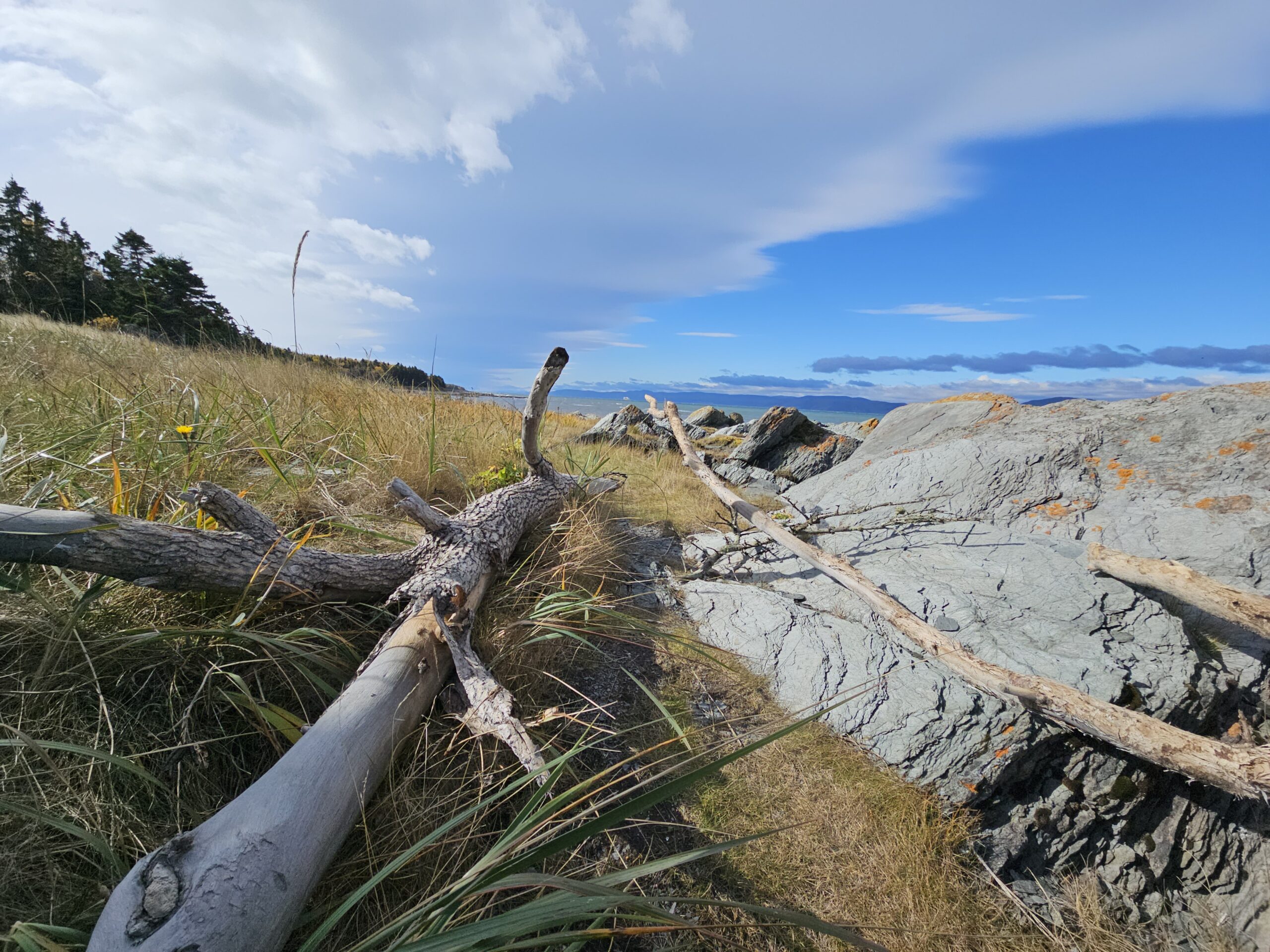
The best guide sticks are the ones already present at the location.
Use what belongs there:
- Goldenrod stems in open fields
- Fir branches in young spruce stands
- Beaver-cut sticks on dams
- Rocks on rocky trails
A handful of grass, leaves, or pine needles can make all the difference.
The goal is always the same: make the set look natural.
A Simple Lesson in Guide Sticking
When teaching snaring classes, I like to demonstrate guiding with a simple experiment.
I place a stick about the size of a baseball bat across a forest trail and walk away.
Every student naturally walks around it.
Nobody steps over it.
These are grown adults, five or six feet tall with plenty of leg length — yet everyone instinctively avoids the obstacle.
Animals behave the same way.
They choose the easiest path.
And guide sticking simply takes advantage of that instinct.
Mastering Subtlety
If you want to improve your success on the trapline, focus on the small things:
- Center your trap or snare perfectly
- Use horizontal guides when possible
- Use smaller guides near the trap
- Let the trap frame guide movement
- Blend the set into the surroundings
Subtle guide sticking makes sets harder for people to notice, easier for animals to approach, and far more productive over time. The best trappers understand that guide-sticking trapping is about subtlety, not building fences.
And in trapping, small improvements often make the biggest difference.