Beaver trapping tips are valuable for anyone running a serious line. Trapping beaver is physically demanding and often dangerous work, whether you’re dealing with open water or under-ice conditions. The right beaver trapping tips can make the difference between a long, exhausting line and a productive one.
Trap under ice and you travel frozen waterways, walk thin ice near lodges and dams, and cut holes through the ice. Trap open water and you face sharp stumps, deep runs, fallen logs, unstable trees, and hauling heavy, muddy beaver back to the truck.
Over the years I’ve learned a number of beaver trapping tips that make the work easier, safer, and more effective. These ten pieces of advice will help you harvest more beaver while putting less strain on your body.
1. Use Lure
One of the most important beaver trapping tips is simple: always carry lure.
There is no animal that responds to lure more aggressively than beaver. If you trap beaver without lure, you are walking farther than necessary and missing animals you otherwise would catch.
Most beaver lure contains:
-
Castor glands
-
Oil sac contents
-
Additional scent ingredients
I usually carry two different lures so I can vary the offering.
I never lure sure-fire sets like lodge entrances or dam breaks, but on creeks, rivers, and lakes a mud pie with lure can catch beaver you never even knew existed.
2. Stay Close to the Truck
Another valuable beaver trapping tip is to minimize walking.
Beaver swim easier than you walk along a beaver pond shoreline.
Set traps as close to the road as possible so hauling traps and carrying beaver back to the truck requires less effort.
Good lure will bring beaver 20–30 yards from the road, making the line faster and easier to run.
The only exception is a dam crossover, which may also produce:
-
River otter
-
Fox
-
Coyote
-
Lynx
Otherwise, let the beaver do the traveling.

Setting traps close to the road reduces walking and makes hauling beaver much easier.
3. Gang Set Hotspots
A good location deserves more than one trap.
Muskrats or mink may fire the first trap and then every beaver that arrives afterward swims through untouched.
One of the best beaver trapping tips is to double set prime locations, especially dam crossovers.
Bodygrip traps take only a minute to set, so there is no reason to leave a hot location under-trapped.
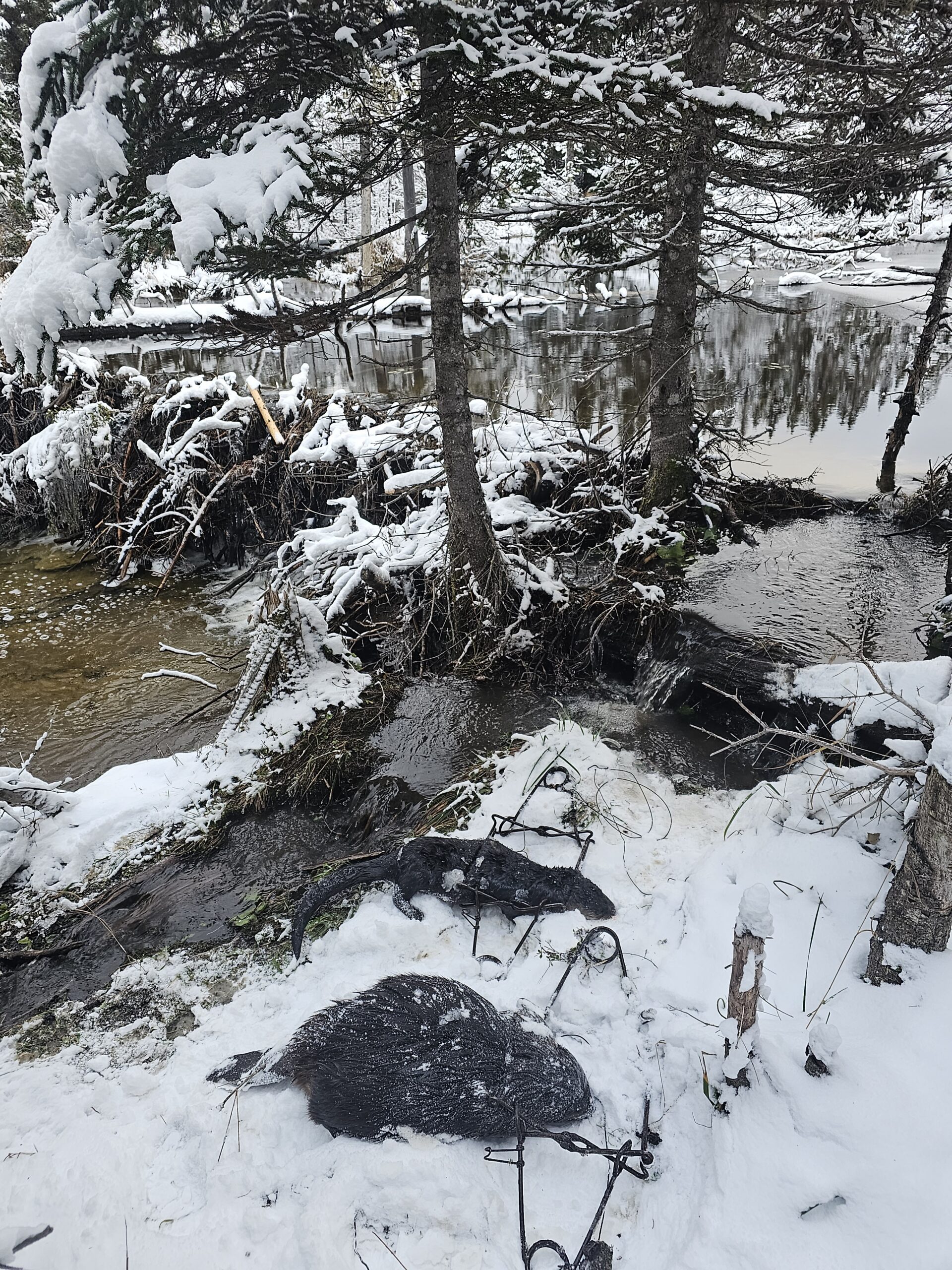
Double sets prevent small animals from ruining a prime beaver location.
4. Set Heavy — Check Once
Why set eight traps when you think only four beaver live in a pond?
Because the goal is to make one visit.
Small new lodges receive four traps.
Established colonies get six to eight traps.
If I return and find several empty traps and several catches, I know the colony has been cleaned out efficiently.
5. Let Your Catch Reach Deep Water
One of the most practical beaver trapping tips is allowing the catch to reach deep water.
All my bodygrips are attached to 4–8 feet of cable so a caught beaver can reach deeper water.
Deep water:
-
Protects the catch from scavengers
-
Keeps the animal cool
-
Clears the trail for additional beaver
It also keeps the catch out of sight, which can reduce theft.

Underwater sets keep traps working even when early ice forms.
6. Set for Water — Plan for Ice
Cold weather can freeze a productive open-water line overnight.
Ice can:
-
Freeze traps
-
Block channels
-
Prevent traps from firing
The best approach is setting bodygrips underwater whenever possible.
Deep underwater sets survive early freeze-ups and remain effective even after snowfall.
7. Avoid Incidentals
Beaver ponds attract many animals:
-
Muskrats
-
Mink
-
Ducks
-
Turtles
-
Fish
Lure sets tend to be beaver-specific.
If incidentals become a problem, move the trigger into a T-shape on the top jaw so small animals can pass through the trap.
This is where traps like the Belisle SuperX 330 excel.
8. Don’t Overthink It
Sometimes fresh sign leads you to an empty pond.
Beaver may build a lodge, stay briefly, then abandon the location before winter.
Years ago I would leave traps longer and add more.
Now I simply move on.
Sometimes I leave a “spy stick”—a fresh aspen stick visible from the road. If it disappears later, I know beaver returned.
9. Set for Traveling Beaver
Some of the most exciting catches come from travel corridors.
Large creeks and slow rivers often carry dispersing beaver.
A simple set includes:
-
Lured mud pie
-
Fresh aspen bait
-
Belisle 330 bodygrip
If a traveler shows up once, that location becomes part of my line every season.
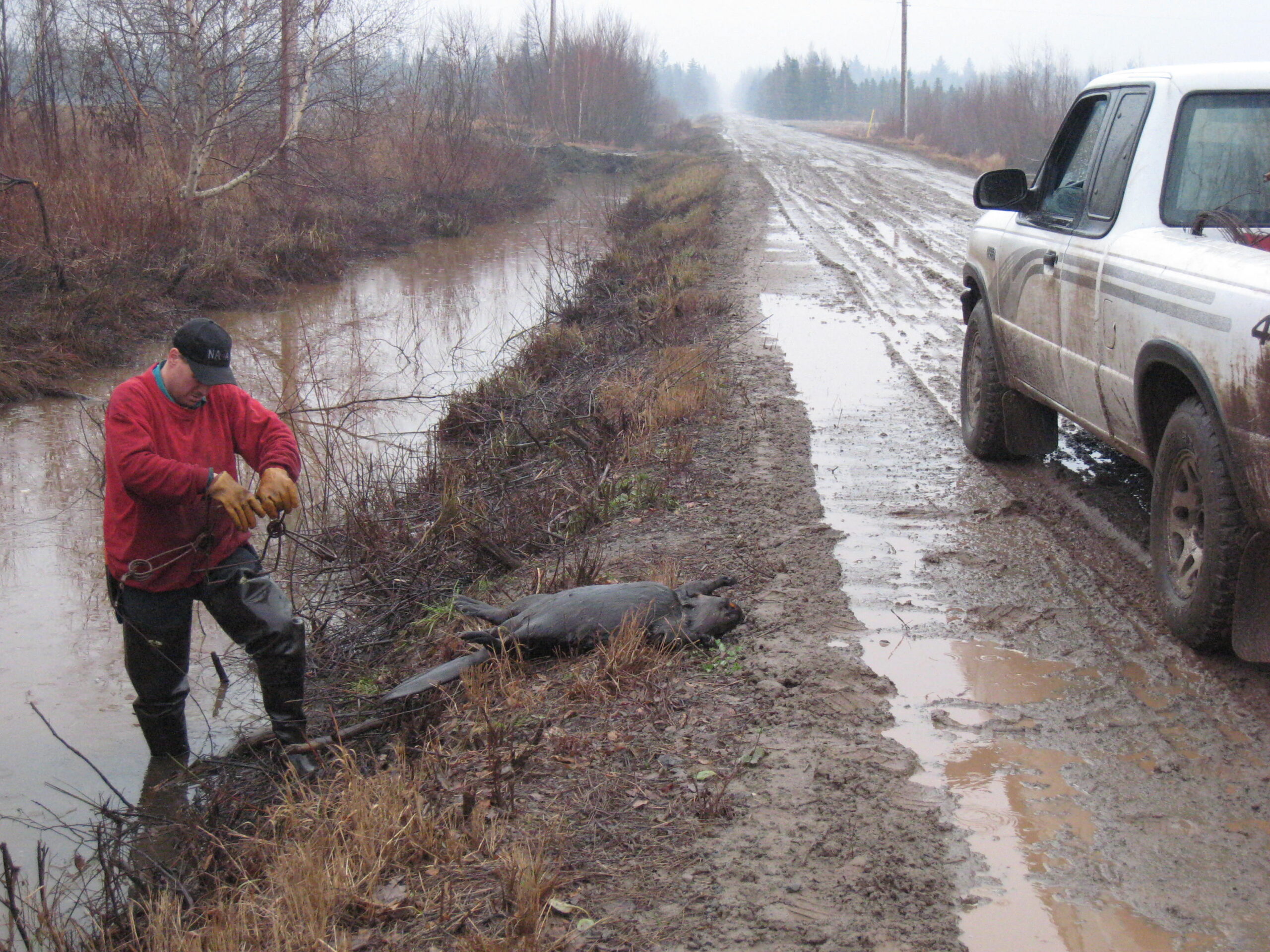
River corridors are excellent locations for catching traveling beaver.
10. Enjoy Setting and Pulling Beaver Traps
Beaver trapping involves constant resetting.
Unlike fisher sets that may stay out for weeks, beaver traps are often:
Set
Checked
Pulled
Reset
I set and pull constantly and don’t mind empty traps.
In fact, the first empty trap makes me smile.
It usually means the resident beavers are already waiting in the traps I haven’t checked yet.