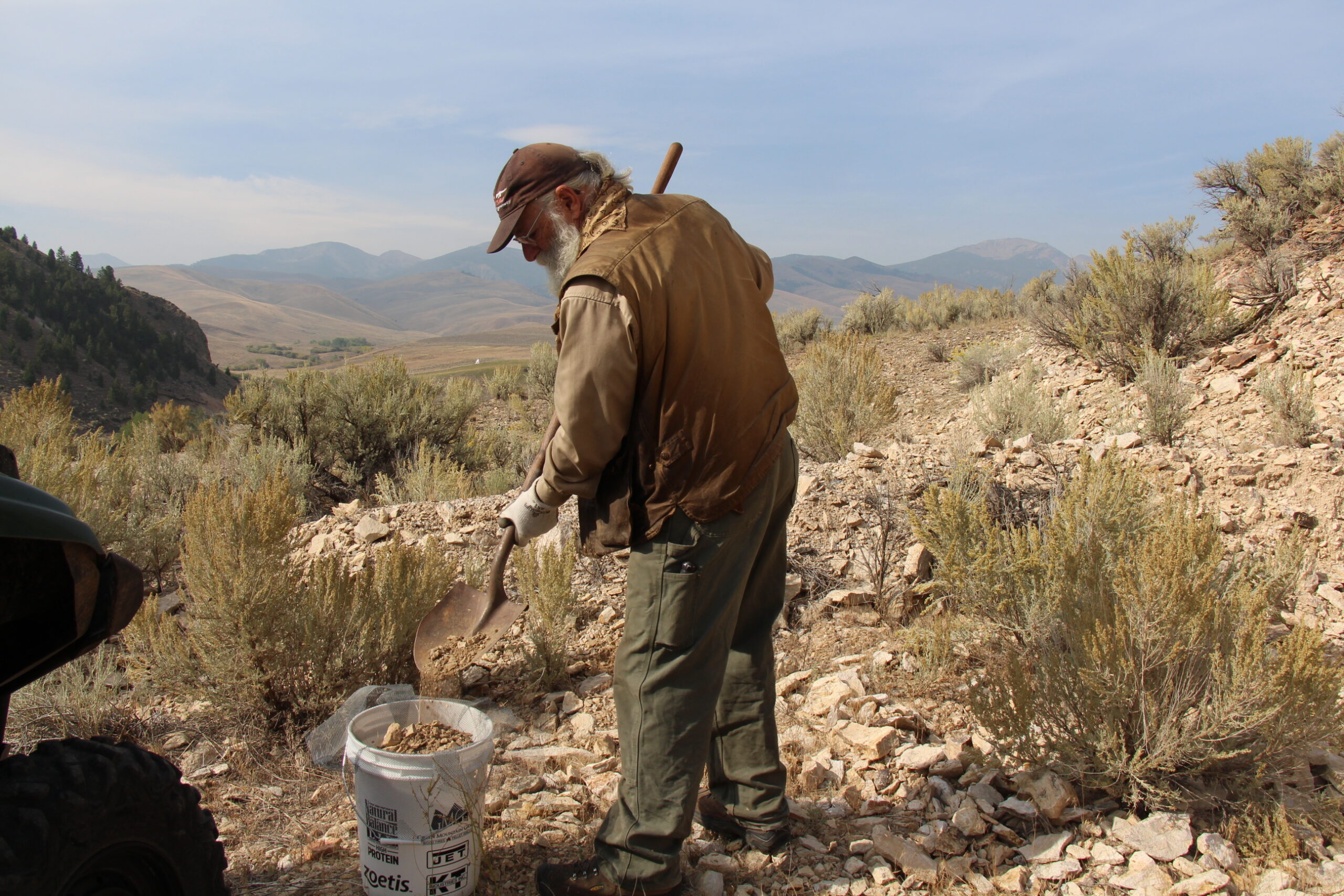
I avoid the underside of bushes to keep the organic material to a minimum.
As I stepped on the last trap to close out the season, I was glad it fired. The weather had been doing the freeze-thaw cycle, and I couldn’t help but think back. Every trap had worked.
I’ve seen plenty of traps close from paw pressure but never fire because they were frozen down. That’s where waxed dirt—and sometimes calcium chloride—comes into play.
I use both on coyote sets depending on conditions. The biggest difference for me is simple: I have to make the waxed dirt. Calcium chloride is ready to go.
That means it’s time to make more.
Where Waxed Dirt Started (For Me)
I don’t remember exactly when waxed dirt really started catching on, but I do remember buying some late in a season to try it. It worked like it was supposed to.
Back then, you could also buy flake wax and make your own. A lot of guys did—and still do.
Over the years, I’ve tried just about every method there is.
Sun Method (Old Reliable)
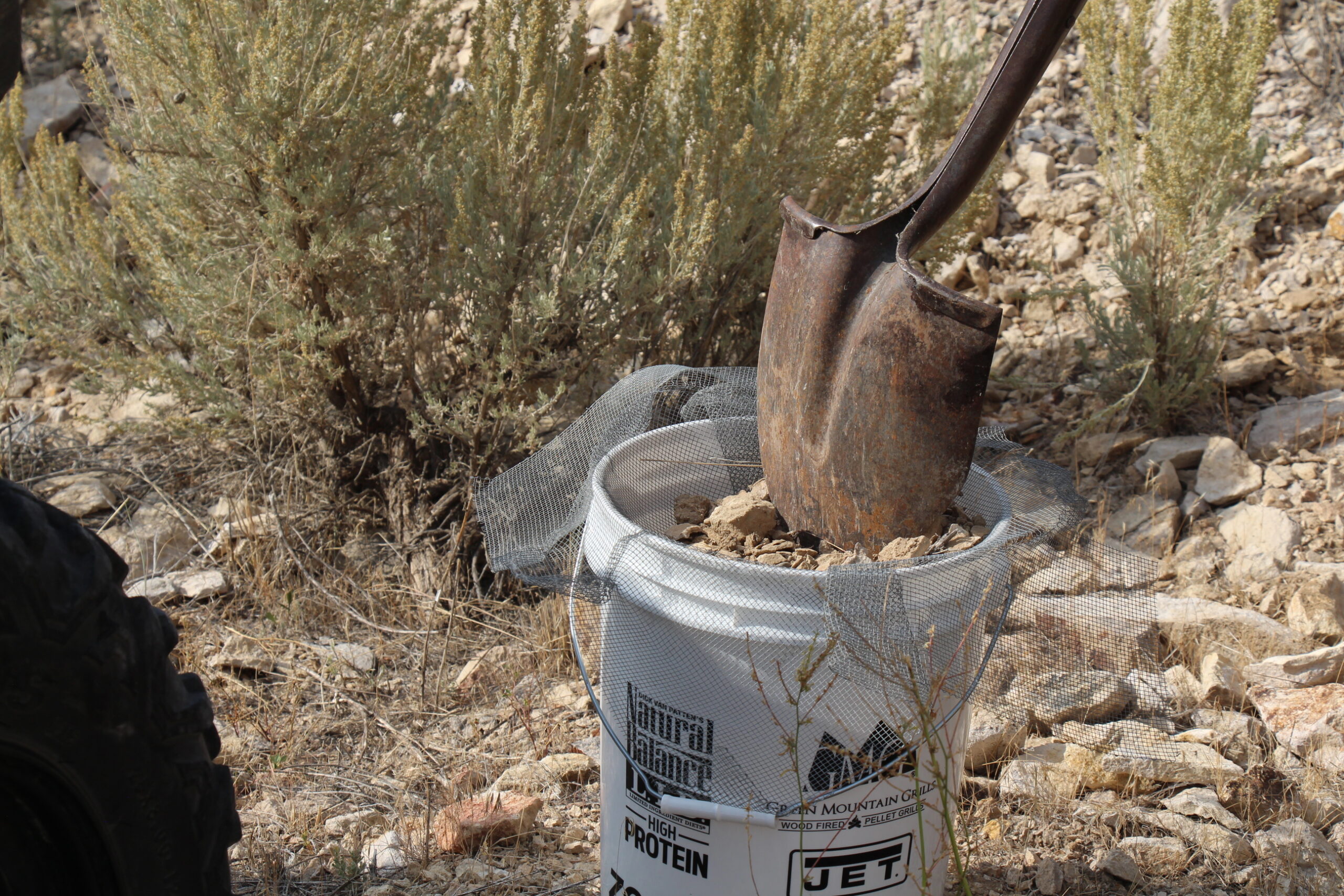
Sifting dirt through metal screen to prepare waxed dirt for trapping
Back in the day, we’d spread sifted dirt on a 4×8 piece of plywood set on sawhorses. That’s what I call the sun method.
It pays to be picky about your dirt:
- No organic material
- Fine particles that pass through a sifter
- Slightly sandy is okay—but not pure sand
I usually sift dirt from a gravel pit and spread it 1–2 inches thick across the plywood.
From there, sprinkle wax over the dirt and cover it with a black tarp. Full sun and heat are key here.
After a few hours, the wax melts into the dirt. Mix it, spread it again, add more wax, and repeat until you hit the right ratio.
The downside? You need hot, sunny weather—and it takes time.
Other Methods (That Work…But Not Great)
I’ve tried making waxed dirt over a wood stove, in the oven, and even over a campfire.
They all work—but they’re slow and require constant attention. If you’re not careful, you’ll burn it or end up with uneven wax coverage.
I also tried using a large roaster oven. It’s a step up, but still labor-intensive and not something I’d use for making large batches.
The Cement Mixer Setup
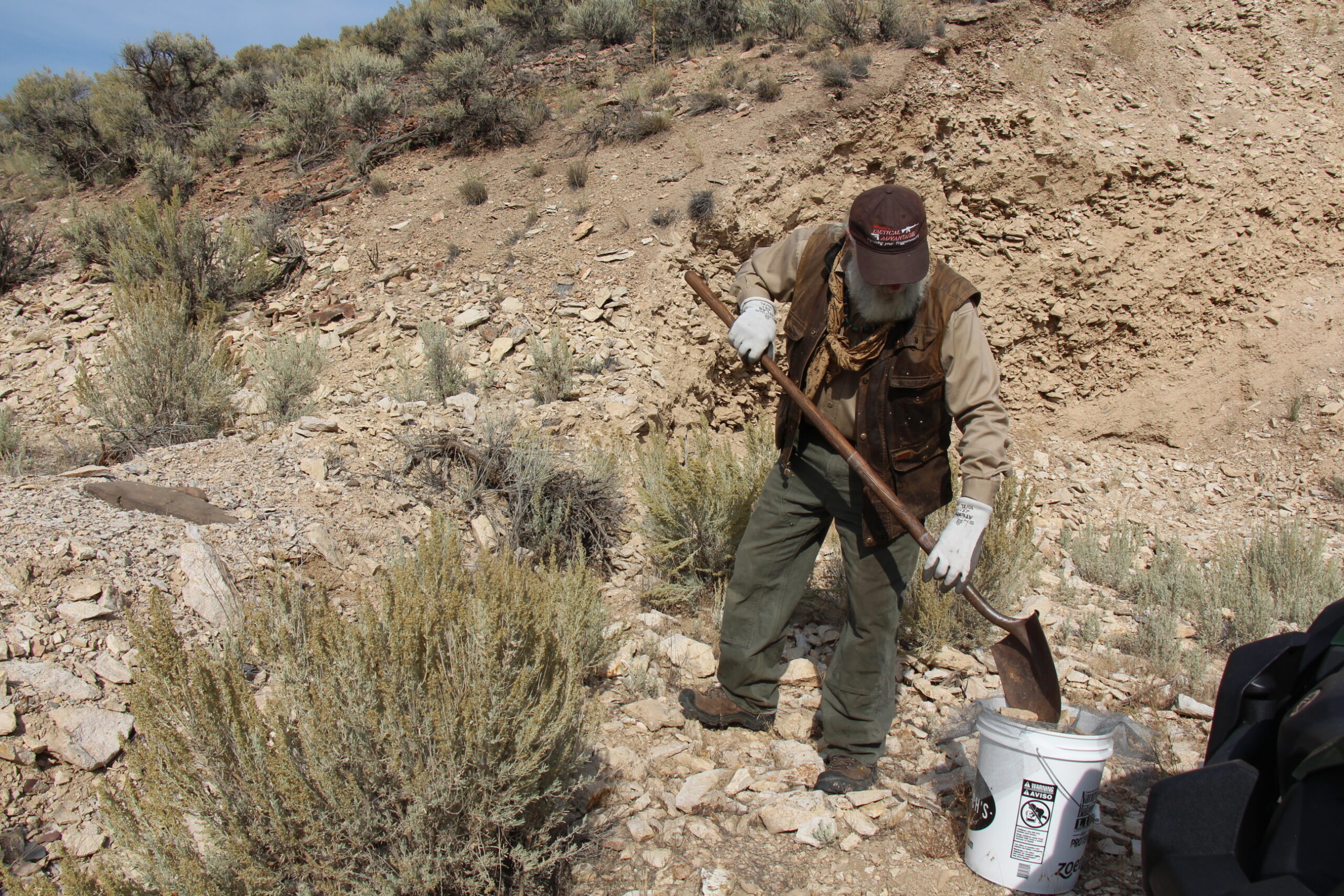
I don’t touch the dirt if I can help it and wear gloves. Keep the dirt as scent free as possible.
The best method I’ve found came from seeing it at a trapping convention—using a cement mixer.
It’s simple and efficient.
- Use a small mixer (5–6 gallons per batch)
- Heat with a propane heater or weed burner
- Keep the drum partially covered to trap heat
I went with a new mixer to avoid contamination from old concrete residue.
Making Waxed Dirt in a Mixer
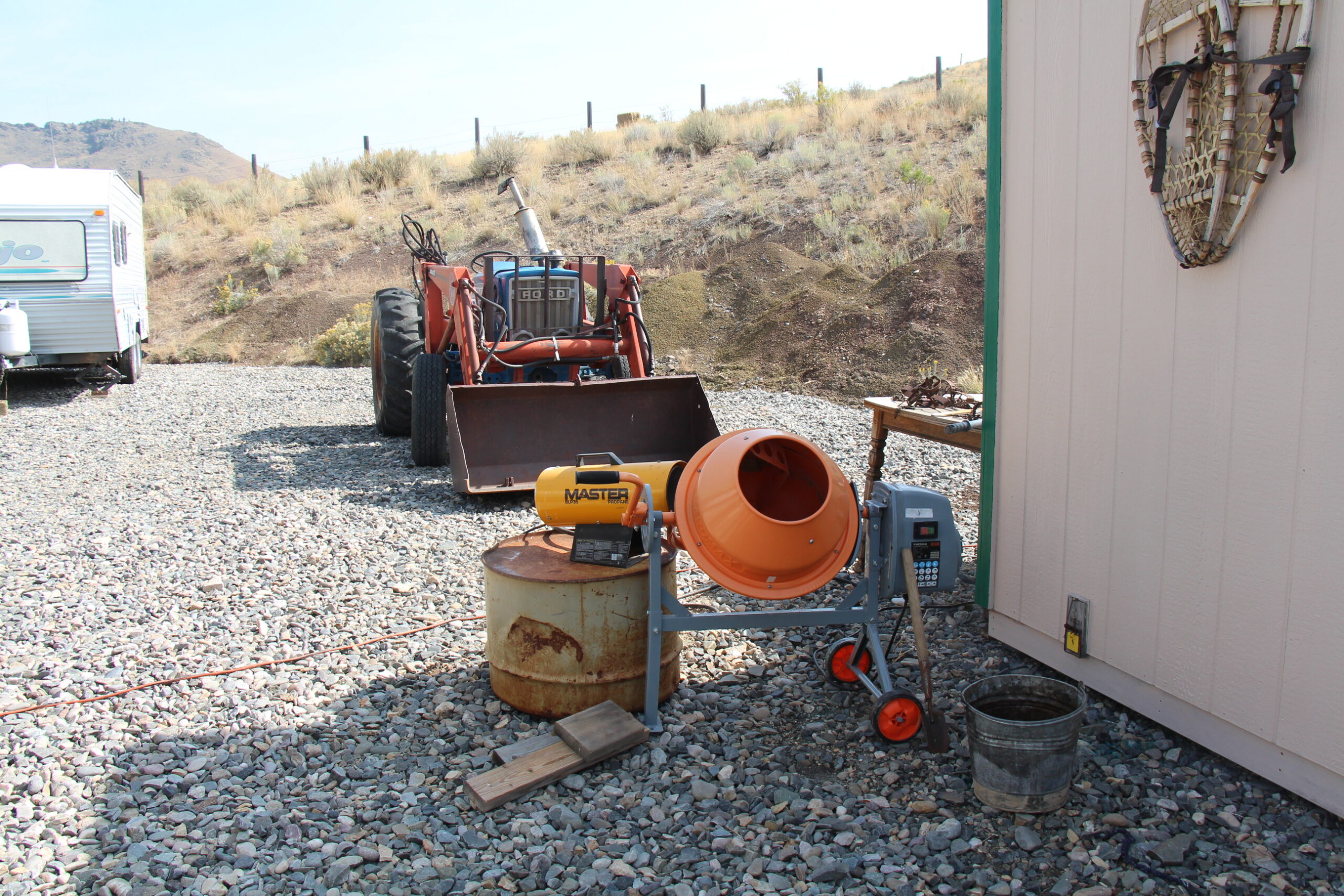
This is the set up. The metal pail on the ground served as a lid for the mixer. A lid is necessary to keep heat in.
Start by loading dry dirt into the mixer and letting it heat up.
Once warm, begin adding wax gradually.
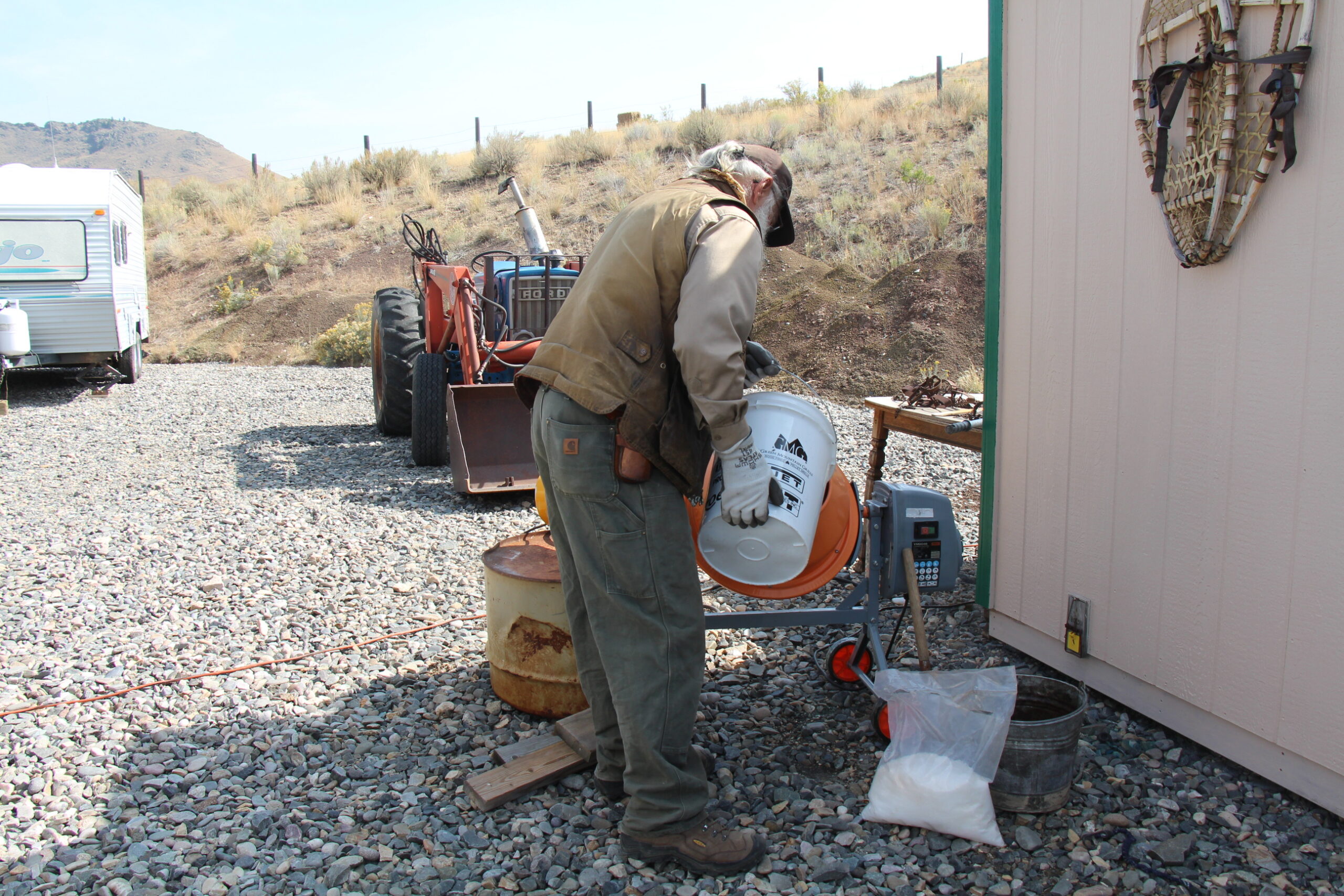
Pouring the dirt in right from the sifted bucket.
A good starting point is about ¾ cup of wax per gallon of dirt, though I often go closer to one full cup depending on conditions.
Keep the mixer turning and add wax in stages. The heat and motion will distribute it evenly.
Every 15–20 minutes, check and add more wax as needed until everything is coated and there are no clumps.
It usually takes about an hour per batch.
If the dirt is damp when you start, let it spin and dry before adding wax.
Storage and Handling
Once finished:
- Return the dirt to clean 5-gallon buckets
- Seal with tight lids
- Avoid contamination from strong odors
I only use clean buckets for waxed dirt. Contamination matters.
When setting traps, I bring out what I need in smaller containers.
Why It Matters
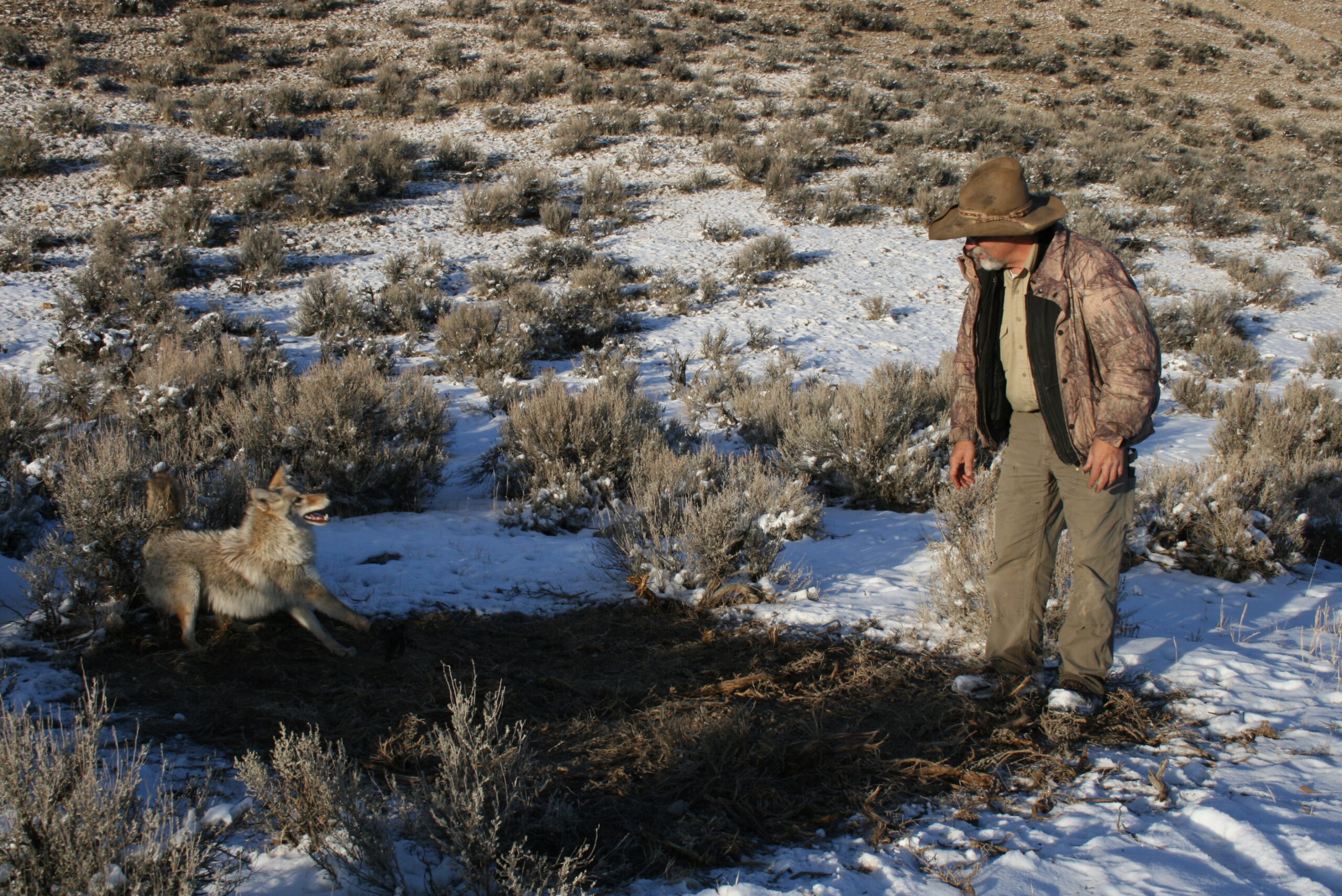
“You used wax dirt didn’t you?” “Yup, that’s why it wasn’t frozen shut.”
Freeze-thaw conditions are hard on foothold traps.
We’ve all seen tracks on the pan with no fired trap. Frozen jaws will do that.
Waxed dirt has been solving that problem for decades.
There are still some conditions that can beat it—but most of the time, it keeps a set working.
That’s the goal.
Final Thoughts
There’s no shortage of ways to make waxed dirt. Some are faster, some are cheaper, and some just plain work better.
For me, the cement mixer method is hard to beat.
If you trap in freezing conditions, it’s worth the effort.
Because when that paw hits the pan—you want it to fire.